
Every crocheter has a first stitch, and for most of us, it is the single crochet. It is the shortest of the basic stitches, it makes a dense, sturdy fabric with almost no holes, and it is the building block hiding inside fancier stitches. Learn this one stitch properly and you unlock dishcloths, sturdy baskets, and the entire squishy world of amigurumi. I am Wren, and in this tutorial I will break the single crochet down into small, doable hand movements, show you where everyone goes wrong, and get you stitching tidy rows in one sitting.
What Single Crochet Actually Is
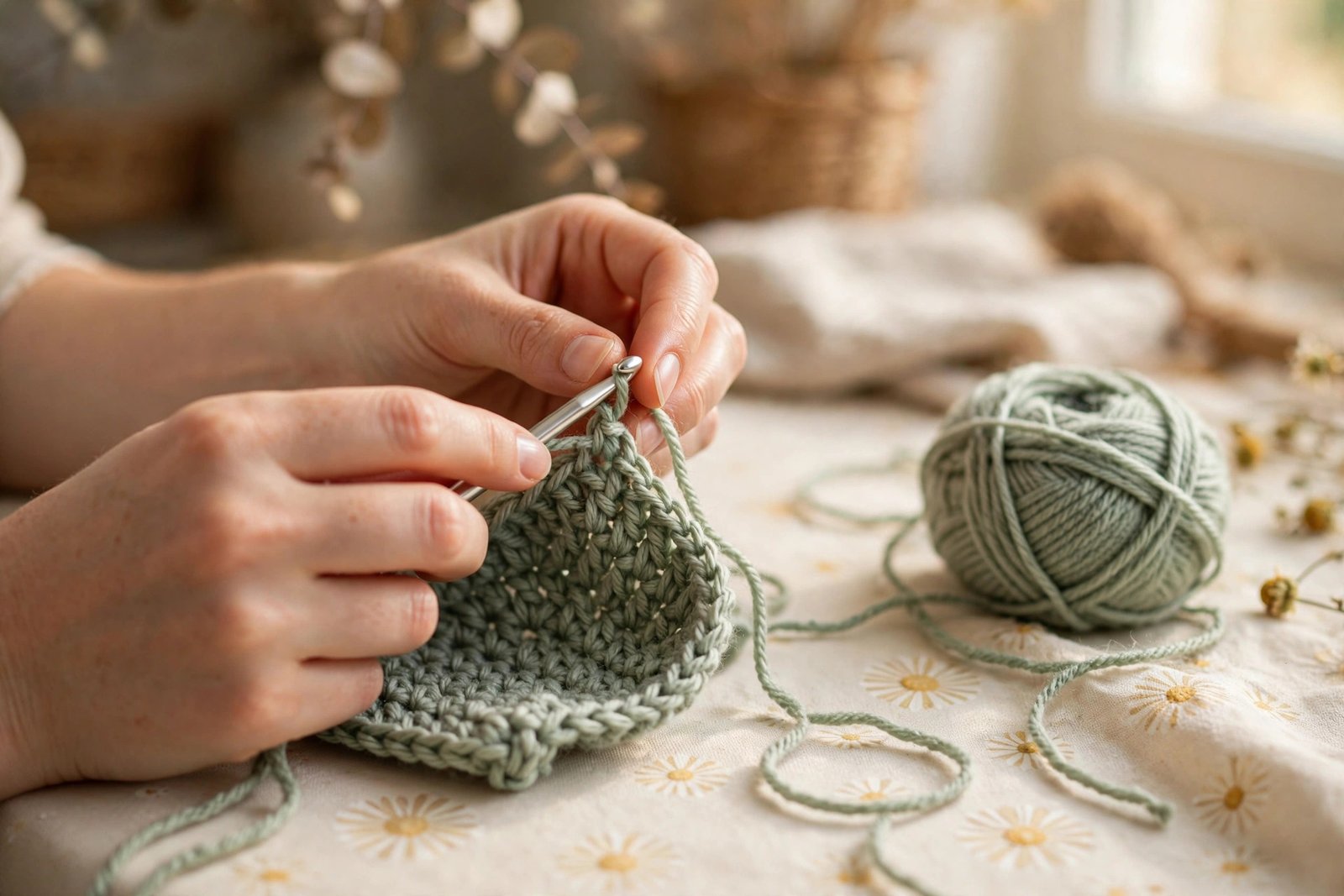
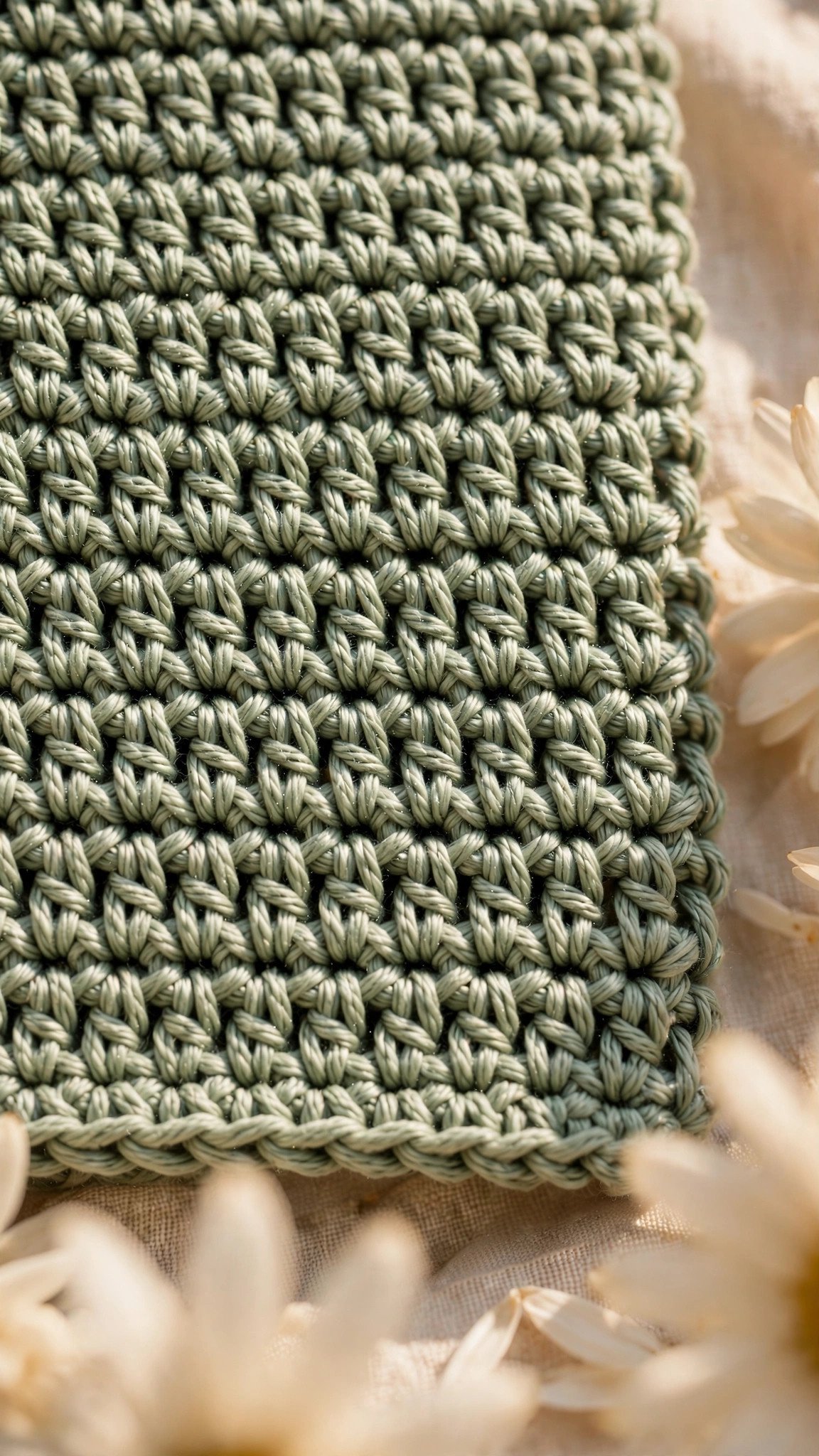
In US crochet terms, single crochet is abbreviated sc, and it is the shortest and tightest of the classic stitches: shorter than half double crochet and double crochet. Because each stitch is short, the fabric comes out dense and firm, which is exactly why dishcloths scrub, baskets stand up, and amigurumi hold their stuffing without gaps. One quick note for pattern readers: in UK terms, this same stitch is called a double crochet. If a pattern is written in UK terms, US single crochet instructions will look one size taller than you expect, so always check which terms a pattern uses before you start.
If you have never held a hook before, start with my complete beginner crochet guide first, then come back. Everyone else, let’s stitch.
What You Need for This Lesson
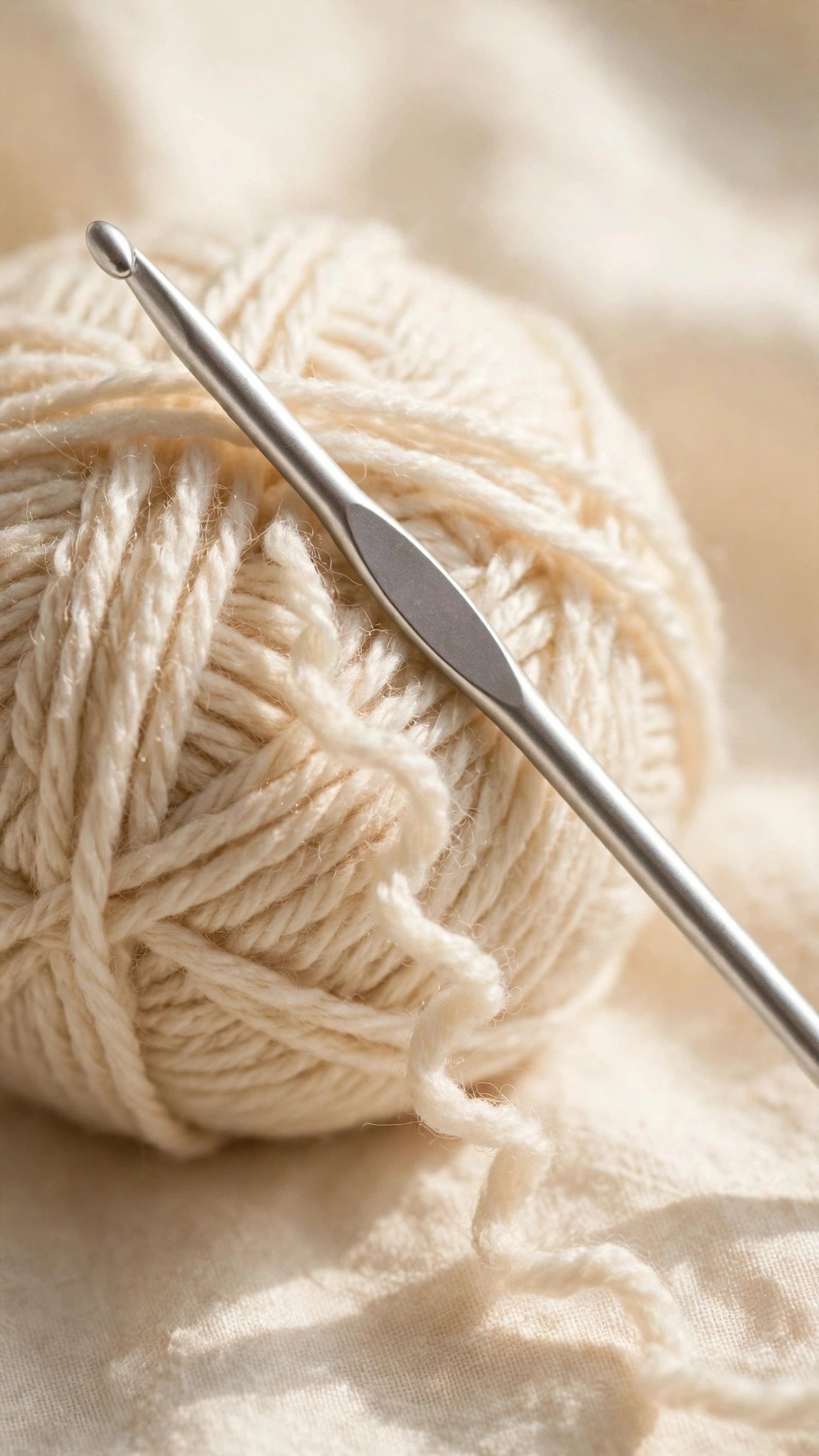
Keep it simple: a 5 mm (US H-8) crochet hook, a ball of smooth worsted weight yarn (number 4) in a light color, scissors, and a tapestry needle. Light-colored yarn is non-negotiable for learning because you need to see each stitch clearly. Two locking stitch markers will help you mark your first and last stitches while you practice. If you are still hook shopping, my best crochet hooks for beginners guide will point you to the right one.
The Single Crochet Stitch, Step by Step
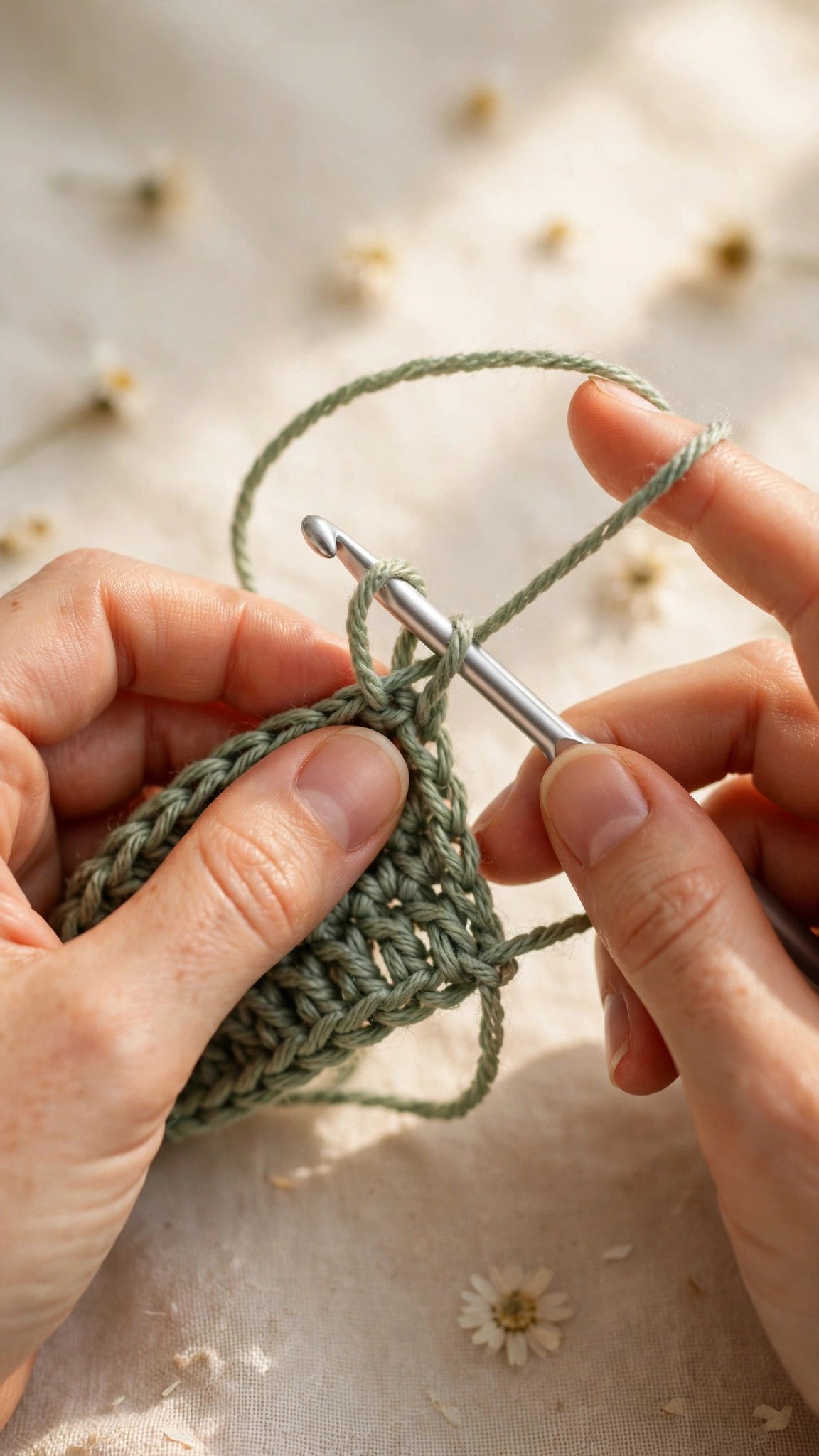
Start with a slip knot on your hook and chain 16. You will work 15 single crochets into that chain, which gives you a tidy little practice swatch. Here is the stitch, broken into five small moves:
Step 1: Insert. Slide your hook into the second chain from the hook, going under the top two loops of the chain, the little V.
Step 2: Yarn over. Wrap the working yarn over your hook from back to front.
Step 3: Pull up a loop. Draw that wrapped yarn back through the chain. You now have two loops on your hook.
Step 4: Yarn over again. Wrap the yarn over the hook one more time.
Step 5: Pull through both loops. Draw the yarn through both loops on your hook. One loop remains, and that is one finished single crochet.
Repeat those five moves in each chain across. Go slowly. Speed is a side effect of repetition, not a goal. Your first ten stitches might look like they were made by a raccoon, and that is completely normal. Raccoons are persistent, and so are you.
Working Into the Foundation Chain
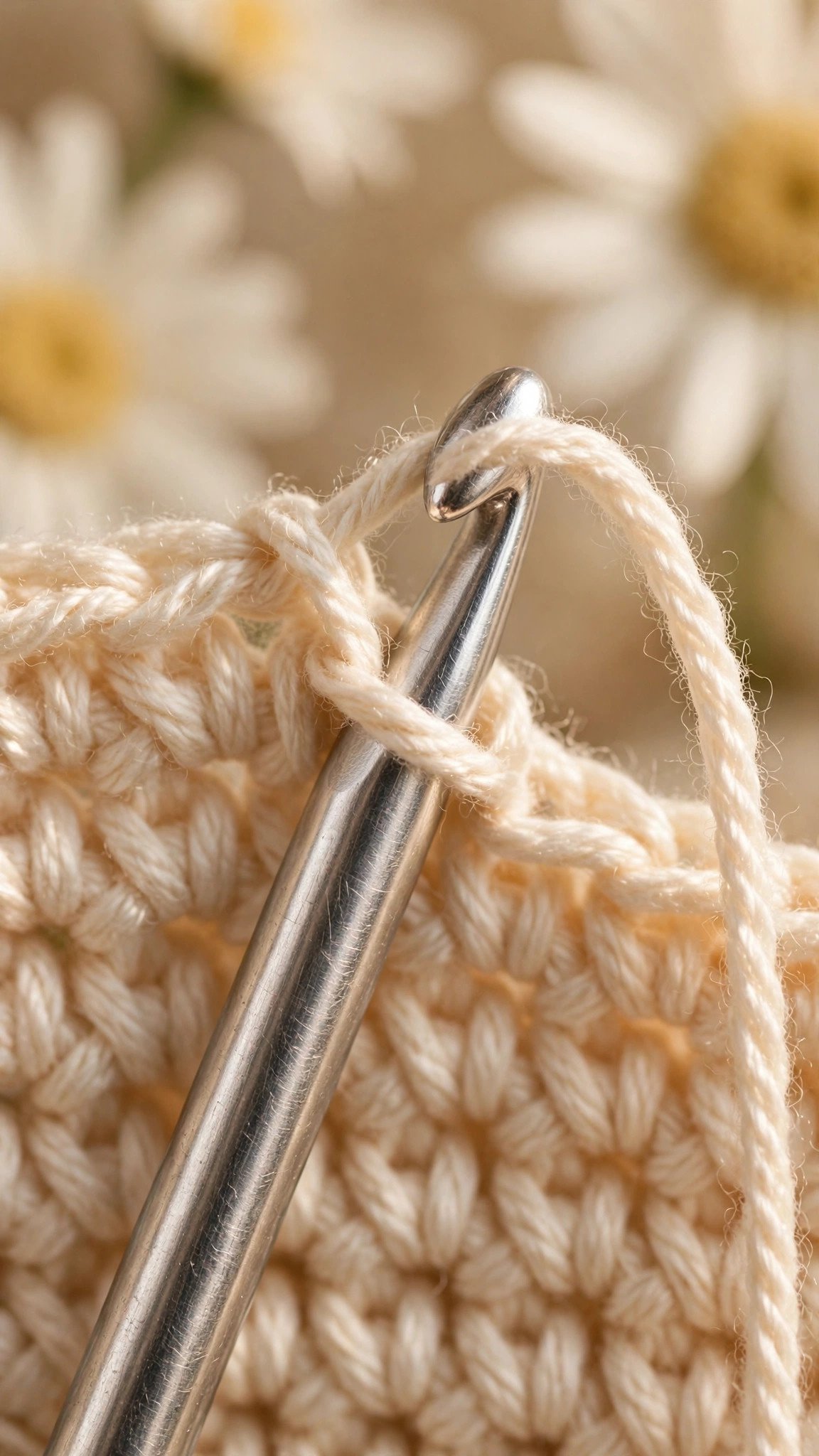
The foundation chain is bumpier than it looks, so let’s demystify it. Each chain has a front V (the two loops facing you) and a little bump on the back. For tidy everyday fabric, insert your hook under both loops of the V. Always skip the first chain next to the hook and start in the second chain from the hook; that skipped chain gives your first stitch the height it needs.
Want a neater bottom edge? Work into the back bump of each chain instead. It takes a little more fiddling, but the bottom of your work gets a clean braided edge that looks almost like a finished row. Either way works for practice. Pick the V for now and save the back bump trick for your second swatch, when you want to feel fancy.
Turning Chains and Counting Your Stitches
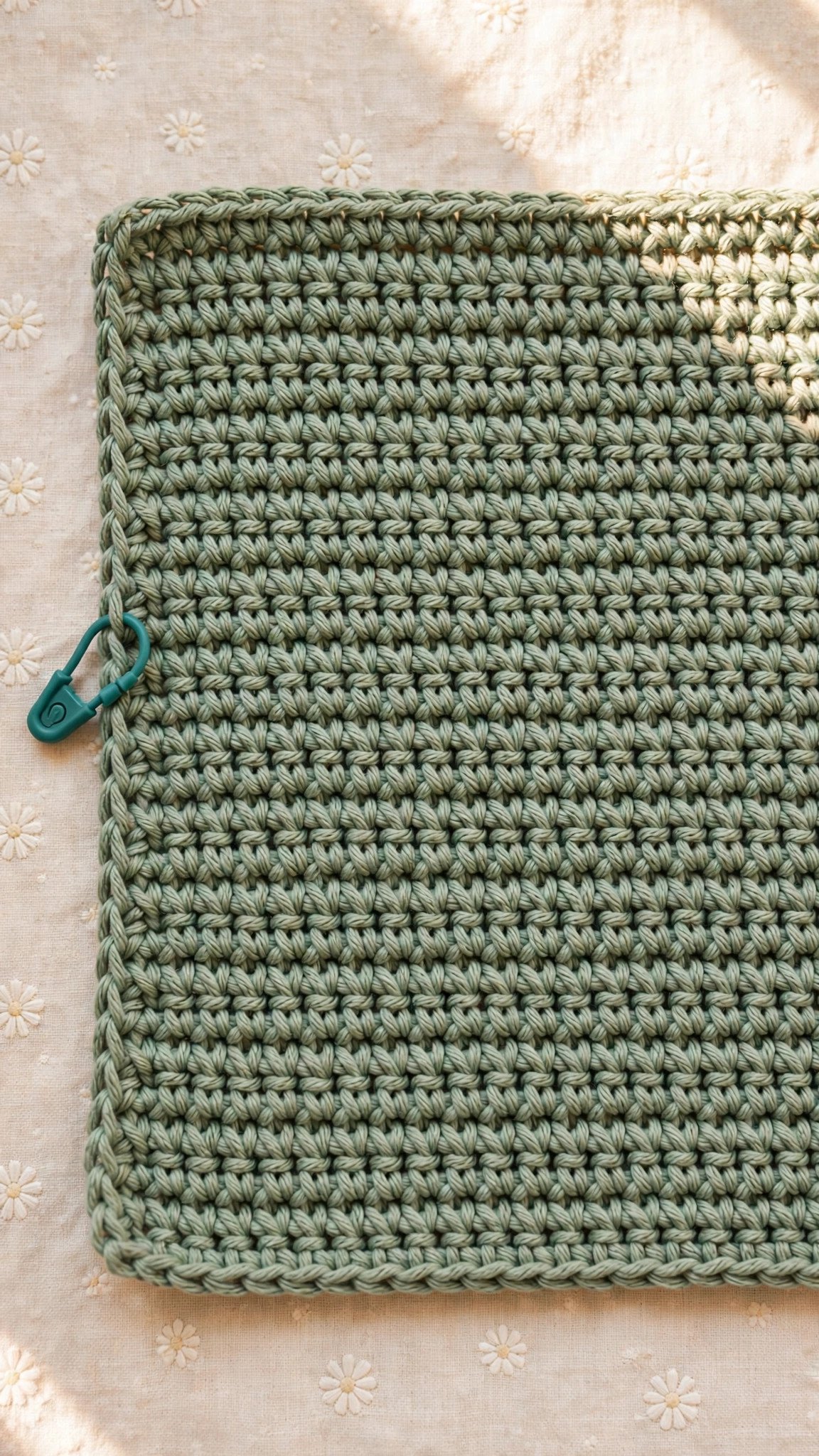
Finished your first row? Chain 1 and turn your work. That chain 1 is your turning chain, and in single crochet it does not count as a stitch. It is just a tiny elevator lifting your yarn to the height of the next row.
Work one single crochet into the first stitch of the new row, the one sitting right at the edge, then one into each stitch across. Now the golden rule: count your stitches at the end of every row. You started with 15, so every row should have 15. If a row has 14, you skipped an edge stitch. If it has 16, you accidentally worked two stitches into one spot, usually at the edge where the turning chain pretends to be a stitch. It is not. Clip stitch markers into your first and last stitches and move them up each row, and this whole problem mostly disappears.
Mistakes Everyone Makes (and Quick Fixes)
Let’s normalize the wobbles. The death grip: if your hand cramps and your stitches squeak on the hook, you are crocheting too tightly. Consciously relax your yarn hand and let the yarn flow. Your stitches should slide along the hook, not need to be wrestled off it. Shrinking rows: you are skipping the first or last stitch of the row. Mark your edges and count. Growing rows: you are working into the turning chain or doubling up at the edges. Remember, the chain 1 is not a stitch. Twisted foundation chain: totally normal, just let it untwist as you work the first row and it will behave by row two. Splitting yarn: slow down your yarn over and make sure the hook grabs the full strand, not half of it.
Every single crocheter you admire made all of these mistakes. The difference between a beginner and an expert is just a pile of fixed mistakes.
Three Things You Unlock With Single Crochet
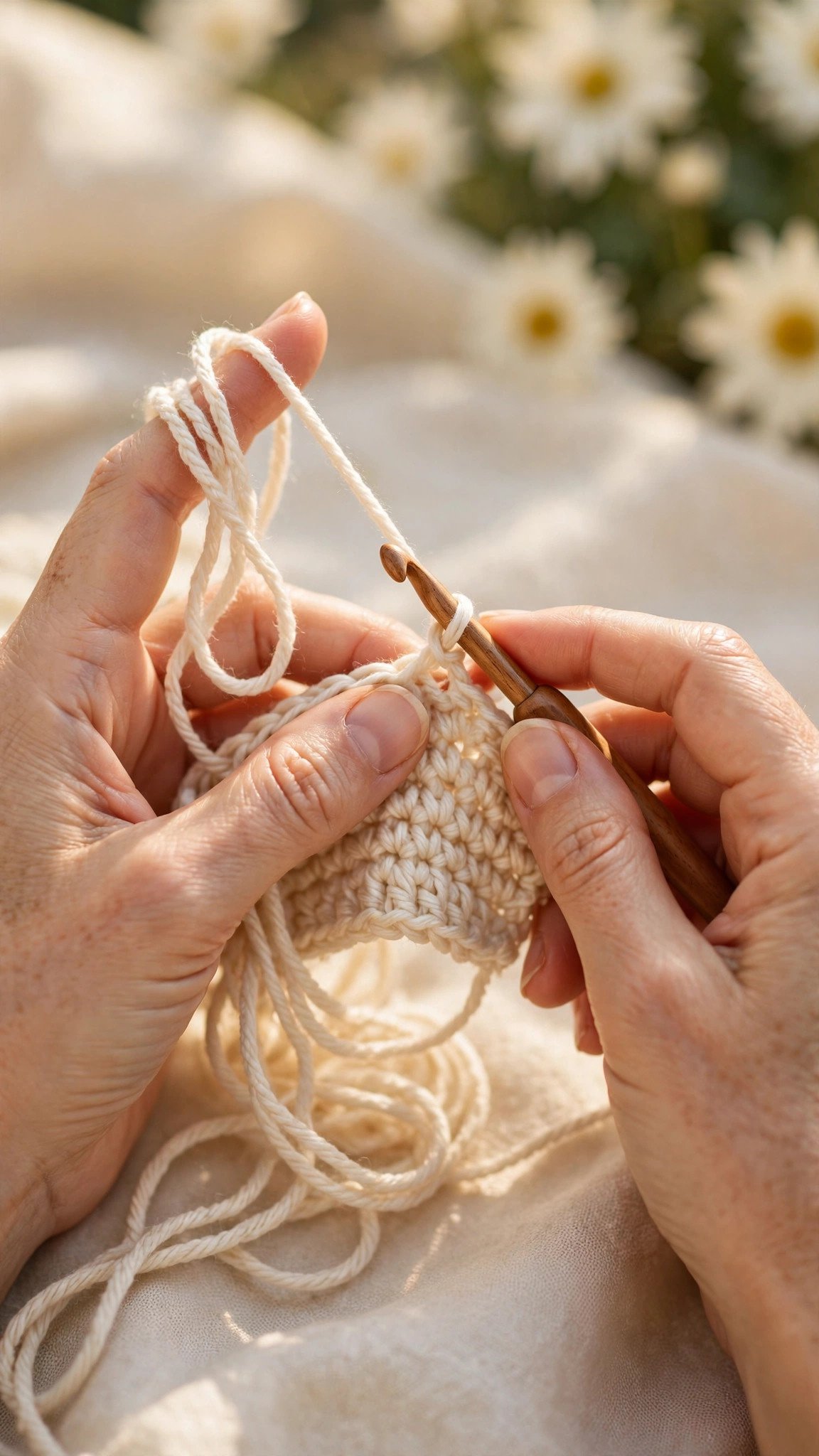
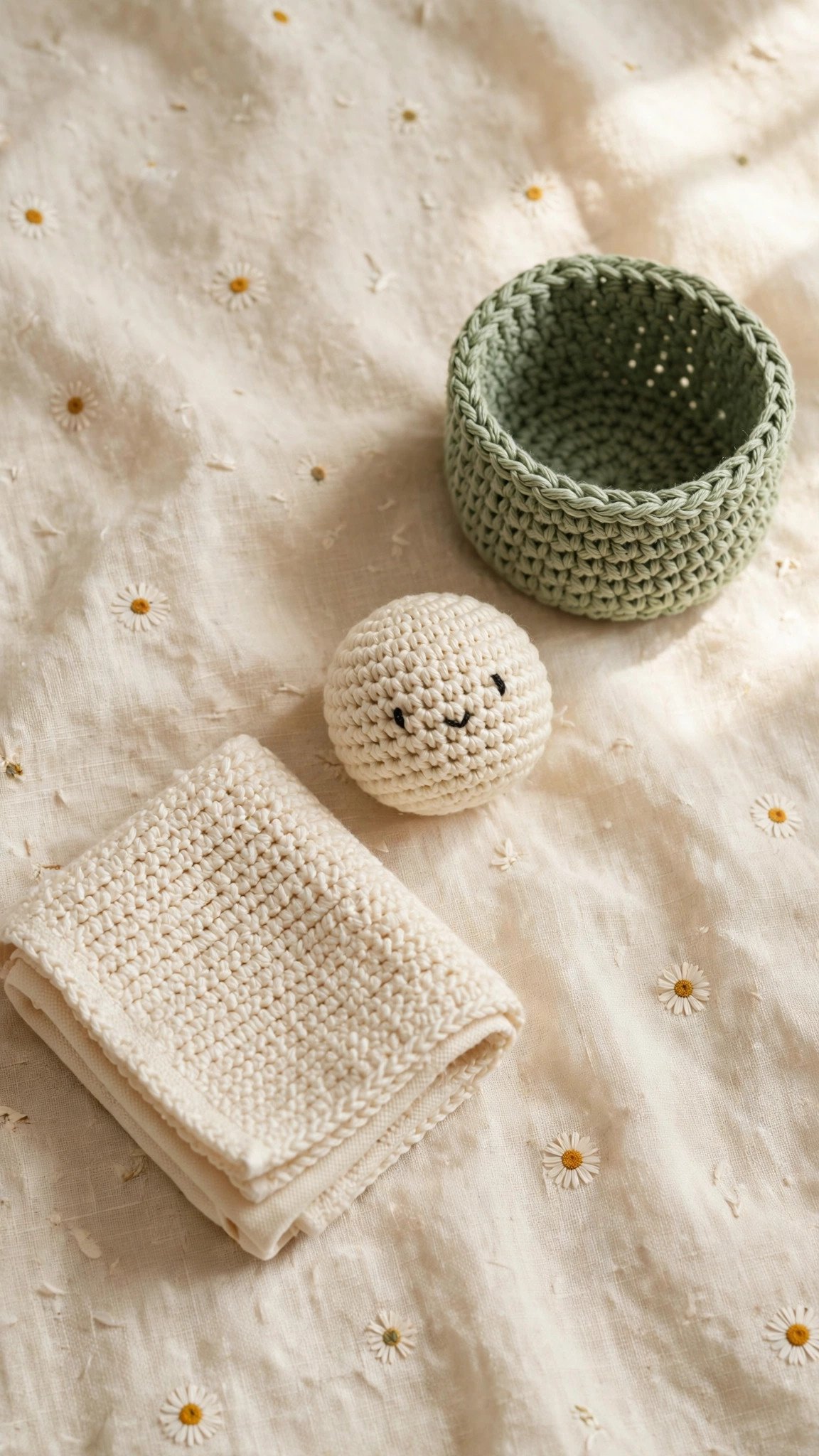
Here is why this stitch is worth your practice time. Dishcloths: chain 26, single crochet every row until square, and you have a kitchen workhorse. Cotton yarn like Lily Sugar’n Cream makes them extra scrubby. Amigurumi: those adorable crocheted plushies are almost entirely single crochet worked in the round, just spiraling around and around. When you are ready for your first squishy friend, my amigurumi for beginners guide starts with a simple ball. For the little faces, my friends at Floss & Fern teach beautiful beginner embroidery stitches. Baskets: single crochet in the round with sturdy cotton makes baskets that actually stand up and hold things, no stiffener needed.
One stitch, three whole craft categories. Practice your rows until they feel automatic, then go make something wonderful. For the full stitch dictionary, browse the Crochet Stitch Library and keep building your collection.
Written by Wren
I am Wren, and I believe crochet should be fun from the very first loop. I test every tutorial and pattern here myself before it lands on Loop & Lark.